Comprehensive Screenings and Treatment Alternatives in New York City
Skin Cancer Treatments on Fifth Avenue, NYC
If you’ve noticed a new or changing spot, had an abnormal biopsy, or simply want peace of mind, we’re here to help. Our team provides thorough evaluations, clear communication, and a personalized plan for skin cancer treatments in New York City. We address melanoma, basal cell carcinoma, squamous cell carcinoma, and precancers like actinic keratoses, guiding you from screening to diagnosis and treatment with compassion.
Our approach centers on early detection and precision removal when needed. We combine advanced dermatology diagnostics with evidence-based treatments to manage skin cancer while aiming to preserve as much healthy tissue as possible. By partnering with our patients, we help restore confidence, reduce uncertainty, and create a plan that supports long-term skin health and routine skin cancer screening.

Medical Dermatology Visit
We address a range of concerns including acne, rosacea, infections, hair loss, eczema, and psoriasis.

Cosmetic Visit
We offer natural and results-driven treatments including laser treatments, injectables, hair rejuvenation, and microneedling.

Facial Treatments
Our aesthetician services include customized medical facials, chemical peels, dermaplaning, Hydrafacial, JetPeel, LED, and advanced facial treatments.
Ready to discuss skin cancer treatments in New York City at Dr. Dennis Gross Dermatology?
Call our Fifth Avenue office at (212) 725-4555 or book an appointment online with our team and get personalized guidance from our dermatology team. We serve Manhattan, Queens, Brooklyn, Staten Island, Bronx, and the surrounding communities, including New Jersey and Connecticut.
Dr. Dennis Gross
Decades of Distinction
Behind every treatment is decades of research, training, and expertise. We are dedicated to helping our patients look and feel their best.

25+ years as a board-certified dermatologist and dermatologic surgeon, founder of his 5th Avenue Manhattan practice. A New York Magazine Best Doctor and a trusted voice on national TV, from The Today Show to CNN. He’s also the author of Your Future Face: The Customized Plan to Look Younger at Any Age. 25+ years as a board-certified dermatologist and dermatologic surgeon.
World-Renowned Dermatologist
Founded his award-winning skincare brand in 2000, now carried by Sephora, Nordstrom, and MECCA Beauty. He continues to serve as the brand’s Chief Science Officer.
Founder of Dr. Dennis Gross Skincare™
Before opening his practice, Dr. Gross conducted extensive melanoma research at Memorial Sloan Kettering Cancer Center, studying how the immune system recognizes cancer cells. His findings were published in peer-reviewed journals including the Journal of Experimental Medicine and the Journal of Medical Microbiology.
Skin Cancer Research
A native New Yorker, Dr. Gross has spent his career and personal life rooted in the city he serves. He sits on the Board of Animal Care Centers of NY, championing animal welfare initiatives across the five boroughs, and shares a busy family life in Manhattan with his wife and business partner, Carrie, and their four children.
Beyond the Practice



Our Experts
Your Trusted Experts in Professional Dermatology
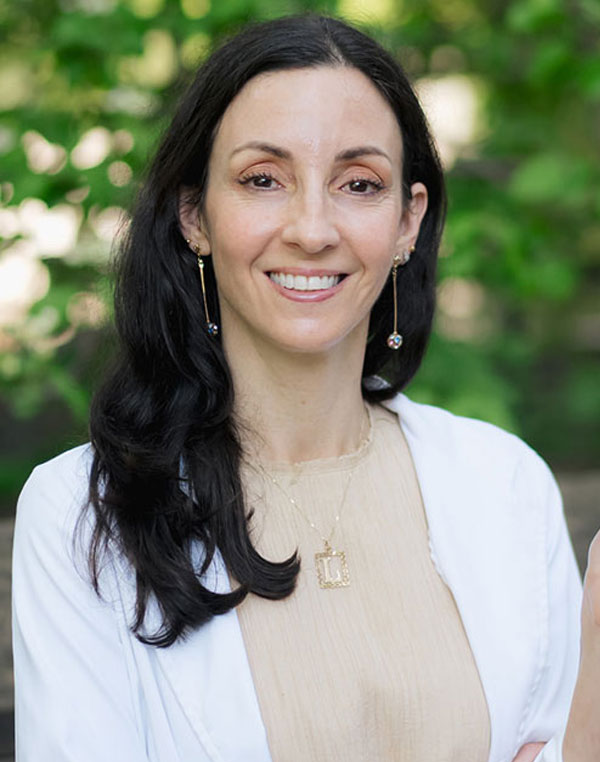
Lara manages Dennis Gross Dermatology’s practice, focusing on creating a warm, welcoming environment and delivering excellent patient experiences and results.
Lara Battema, LE, MPH
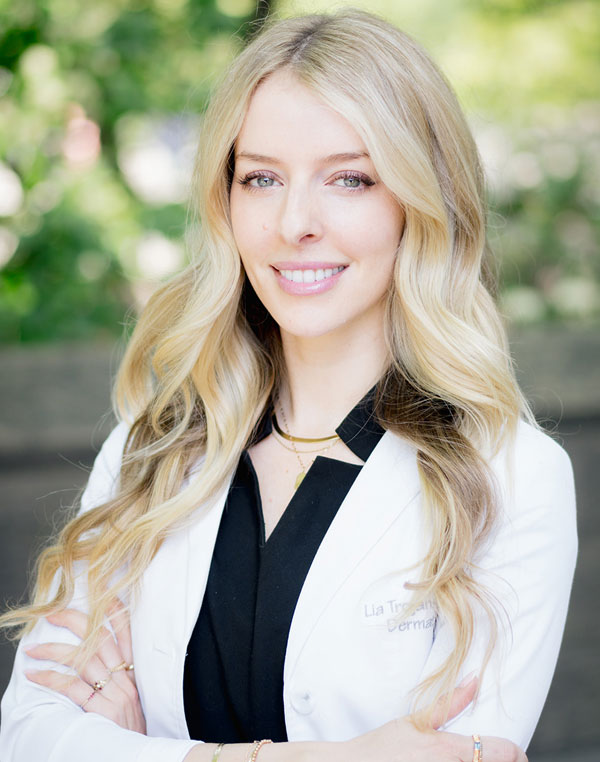
Lia has developed a strong focus in aesthetic dermatology, where she values the balance of precision, artistry, and science. Her approach is thoughtful and individualized, with a focus on subtle, natural-looking results that enhance each patient’s features.
Lia Trojansky, PA-C
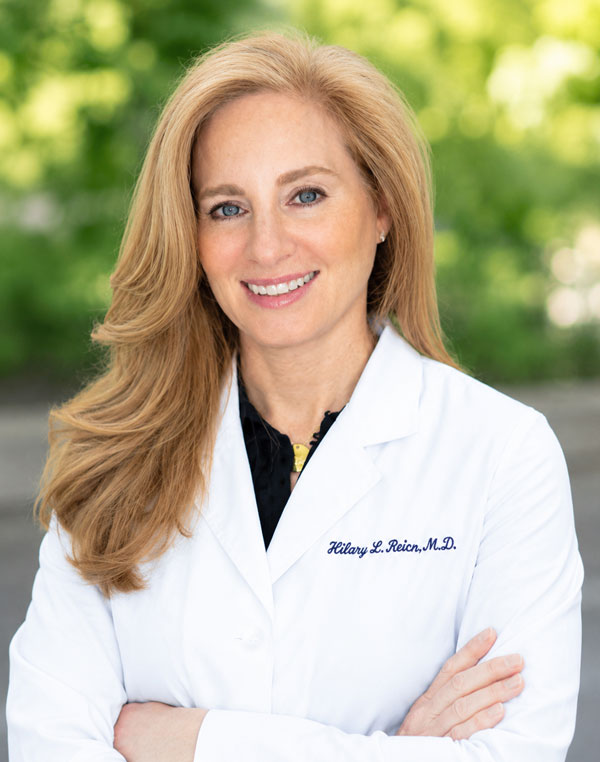
With nearly 25 years of experience, Dr. Hilary Reich is a board-certified dermatologist known for her personalized approach and exceptional clinical expertise. She listens to ger patients attentively and earn the trust and loyalty of generations of patients.
Hilary Reich M.D.
Common Concerns and How We Help Patients
You Want Clarity, Timely Answers, and Safe, Effective Options Without Added Stress
Holistic Wellness
Ideal for those who want to combine skincare with overall well-being, promoting balance, radiance, and healthy glowing skin from the inside out deeply.
Include :
$350/session
From Screening and Biopsy to Precise Skin Cancer Removal Techniques and Reconstruction
Skin Cancer Treatments: What to Expect Step by Step
We begin with a detailed history and full skin exam. Suspicious lesions are evaluated with dermoscopy and, when appropriate, a biopsy (shave, punch, or excisional) to confirm the diagnosis. Pathology results guide next steps. For actinic keratoses, options include cryotherapy and topical medications such as 5‑fluorouracil. For nonmelanoma skin cancers like basal cell carcinoma and squamous cell carcinoma, we commonly use surgical excision with margin control and, when appropriate, staged approaches with close coordination for reconstruction.
Melanoma management is individualized based on depth and features. Many cases are treated with wide local excision; when indicated, we coordinate multidisciplinary care, including sentinel lymph node evaluation and oncology referral. Most procedures are performed under local anesthesia in our office for comfort and convenience. We discuss risks, benefits, scarring, and alternatives in advance so you can make an informed choice. Throughout, we focus on safety, meticulous technique, and communication to help you feel confident in your care.
Who Benefits Most and When Alternatives May Be Recommended Instead
Determining If You’re a Candidate for Skin Cancer Treatment
Candidates for skin cancer treatment include anyone with a biopsy‑proven skin cancer or clinically suspicious lesion identified during skin cancer screening. We also care for patients with multiple actinic keratoses, a history of sun exposure, or risk factors such as fair skin, prior skin cancer, immunosuppression, or a strong family history. Ideal candidates are in stable health and able to follow post‑procedure care. Those with significant medical complexities may require coordination with their primary physician or oncology team, and in select cases, we recommend non‑surgical options for skin cancer treatment or referral for additional therapies to ensure the safest, most appropriate plan.
Clear Margins, Function, Appearance, and The Importance of Ongoing Follow-Up
What Results to Expect from Skin Cancer Treatment
Our goal is complete removal with clear margins while preserving function and appearance. Scars are expected after surgery, and we provide guidance on wound care, sun protection, and scar optimization over time. For actinic keratoses, treatments aim to reduce lesion count and help lower progression risk. Long‑term outcomes depend on cancer type, size, and location. We schedule regular check‑ins, encourage monthly self‑exams, and tailor surveillance intervals to your diagnosis to support durable results and early detection of any new or changing lesions.
What Healing Typically Feels Like and How We Support Each Stage of Recovery
Recovery, Follow-Up Care, and Long-Term Prevention
Patients may experience mild soreness and swelling for a few days. We provide step‑by‑step wound care instructions, discuss activity restrictions, and outline when bandages and sutures are removed—usually within one to two weeks, depending on the site. You’ll know how to manage discomfort, when to resume exercise, and how to protect the area from the sun. We also review signs that warrant a call. After healing, we recommend ongoing skin cancer screening and daily sun safety, including broad‑spectrum SPF, protective clothing, and shade practices. Our team remains available for questions, reassurance, and long‑term prevention strategies.
Ready to discuss skin cancer treatments in New York City at Dr. Dennis Gross Dermatology?
If you’re considering skin cancer treatments in NYC at Dr. Dennis Gross Dermatology, call (212) 725-4555 or book an appointment online. Our dermatologists will evaluate your diagnosis and outline options tailored to you at our New York office.
FAQ
Let’s Talk About Your Skin’s Needs
We’re here to make your skincare journey simple, stress-free, and tailored just for you.
Haven’t got an answer?
Book An Appointment Online.
If a lesion is Asymmetric, has irregular Borders, varied Color, Diameter larger than a pencil eraser, or is Evolving (the ABCDEs), schedule a visit. Persistent scabbing, bleeding, or a non‑healing sore also merit evaluation. A professional skin check and, if indicated, biopsy are the only ways to confirm whether treatment is needed.
Basal cell carcinoma and squamous cell carcinoma are the most common nonmelanoma skin cancers and often grow locally. Melanoma is less common but more likely to spread if not detected early. Diagnosis is confirmed with biopsy, and treatment ranges from topical or focal therapies to surgical excision and coordinated multidisciplinary care when indicated.
Any procedure that removes a skin lesion produces a scar. We plan incisions along natural skin lines when possible, use careful closure techniques, and review scar care, sunscreen, and follow‑up options such as laser or topical therapies to help refine the appearance over time. Results vary based on location, size, and individual healing.
Most office‑based procedures under local anesthesia have a short recovery. Expect several days of tenderness and about one to two weeks before suture removal, depending on the area. We provide custom activity guidance. Many patients return to work quickly, with exercise and higher‑impact activities delayed until your post‑procedure visit.
We personalize follow‑up based on your diagnosis and risk factors. We also encourage monthly self‑exams and prompt visits for any new or changing spots. Consistent surveillance helps catch concerns early and supports long‑term skin health.
Haven’t got an answer?
Book An Appointment Online.
Find Your Perfect Skincare Plan
Have questions about skin cancer treatments in New York at Dr. Dennis Gross Dermatology? Call (212) 725-4555 or book an appointment online with our team. We serve Manhattan, Queens, Brooklyn, Staten Island, Bronx, and the surrounding communities, including New Jersey and Connecticut.
Screenings, Surveillance, and Non-Surgical Options That May Support Your Care
Related and Complementary Dermatology Services
Services may include routine full body skin exams, mole mapping, treatment of actinic keratoses, photodynamic therapy, laser treatment for redness or scars, and cosmetic reconstruction or revision as appropriate. We also coordinate with oncology, surgery, and imaging when needed to ensure comprehensive care aligned with your diagnosis and goals.
In addition to skin cancer treatments, we also treat other common skin conditions such as acne and various skin growths like moles, cysts, and warts, along with psoriasis, rosacea, and eczema.
Your Care Team, Training, and Our Patient-Centered Dermatology Philosophy
About Dr. Dennis Gross Dermatology and Medical Review
This page was medically reviewed by our team at Dr. Dennis Gross Dermatology. We provide patient‑centered dermatology across New York City, combining clinical experience with evidence‑based care for skin cancer, including melanoma, basal cell carcinoma, and squamous cell carcinoma, and other rarer forms. We believe informed decisions come from clear explanations, transparency about options, and thoughtful follow‑up. If a service falls outside our scope, we seamlessly coordinate additional care to support your health.