
Treat Inflammatory Skin Conditions in New York City
Rosacea Treatment on Fifth Avenue, NYC
Rosacea is a chronic inflammatory skin condition best known for facial redness, visible vessels, and sensitivity. At Dr. Dennis Gross Dermatology, we evaluate your skin, triggers, and lifestyle to craft a plan that calms flare‑ups and supports skin barrier health. We combine in‑office therapies in New York with rosacea skincare guidance, so you know exactly what to use at home. Whether you are just noticing persistent flushing or have bumps and visible vessels, we will personalize care for your unique presentation in NYC. Our goal is clearer, calmer skin with a routine you can maintain.

Medical Dermatology Visit
We address a range of concerns including acne, rosacea, infections, hair loss, eczema, and psoriasis.

Cosmetic Visit
We offer natural and results-driven treatments including laser treatments, injectables, hair rejuvenation, and microneedling.

Facial Treatments
Our aesthetician services include customized medical facials, chemical peels, dermaplaning, Hydrafacial, JetPeel, LED, and advanced facial treatments.
Ready to explore rosacea treatment in new york city?
Ready to calm redness from rosacea in New York? Call (212) 725-4555 or book an appointment online with our team at our New York City office. We serve Manhattan, Queens, Brooklyn, Staten Island, Bronx, and the surrounding communities, including New Jersey and Connecticut.
Dr. Dennis Gross
Decades of Distinction
Behind every treatment is decades of research, training, and expertise. We are dedicated to helping our patients look and feel their best.

25+ years as a board-certified dermatologist and dermatologic surgeon, founder of his 5th Avenue Manhattan practice. A New York Magazine Best Doctor and a trusted voice on national TV, from The Today Show to CNN. He’s also the author of Your Future Face: The Customized Plan to Look Younger at Any Age. 25+ years as a board-certified dermatologist and dermatologic surgeon.
World-Renowned Dermatologist
Founded his award-winning skincare brand in 2000, now carried by Sephora, Nordstrom, and MECCA Beauty. He continues to serve as the brand’s Chief Science Officer.
Founder of Dr. Dennis Gross Skincare™
Before opening his practice, Dr. Gross conducted extensive melanoma research at Memorial Sloan Kettering Cancer Center, studying how the immune system recognizes cancer cells. His findings were published in peer-reviewed journals including the Journal of Experimental Medicine and the Journal of Medical Microbiology.
Skin Cancer Research
A native New Yorker, Dr. Gross has spent his career and personal life rooted in the city he serves. He sits on the Board of Animal Care Centers of NY, championing animal welfare initiatives across the five boroughs, and shares a busy family life in Manhattan with his wife and business partner, Carrie, and their four children.
Beyond the Practice



Our Experts
Your Trusted Experts in Professional Dermatology
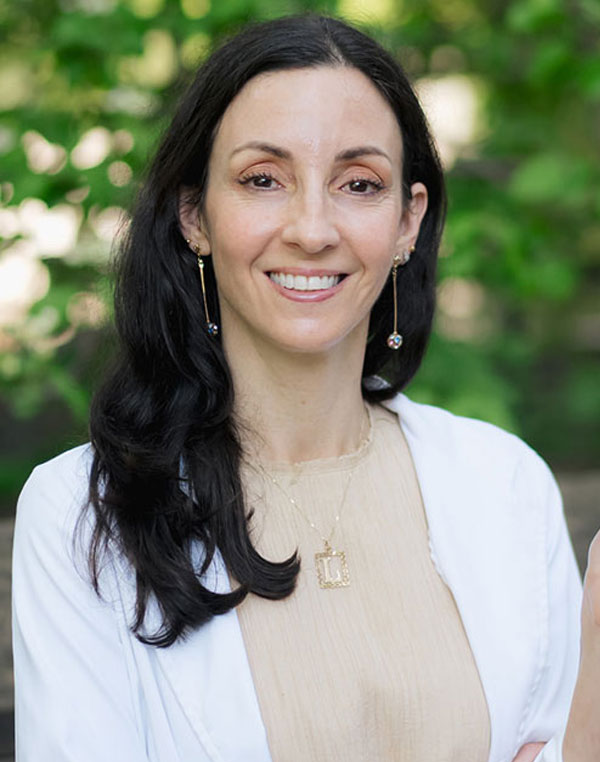
Lara manages Dennis Gross Dermatology’s practice, focusing on creating a warm, welcoming environment and delivering excellent patient experiences and results.
Lara Battema, LE, MPH
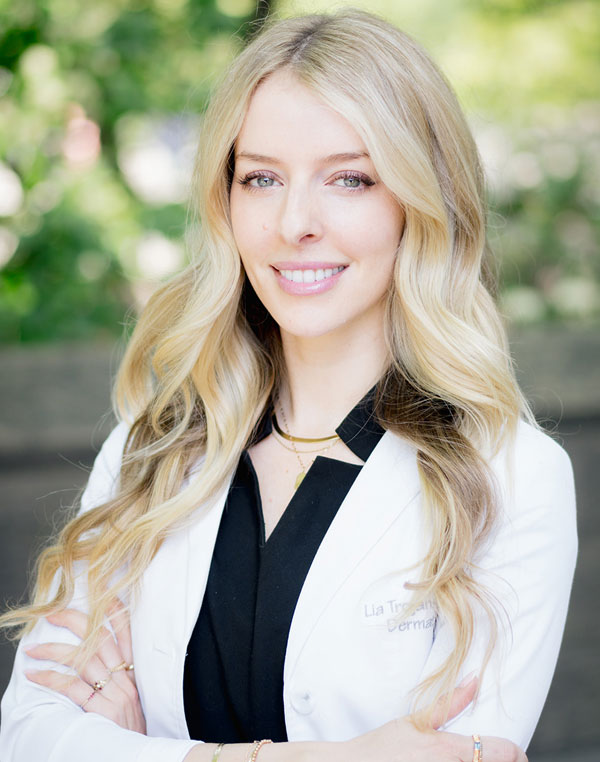
Lia has developed a strong focus in aesthetic dermatology, where she values the balance of precision, artistry, and science. Her approach is thoughtful and individualized, with a focus on subtle, natural-looking results that enhance each patient’s features.
Lia Trojansky, PA-C
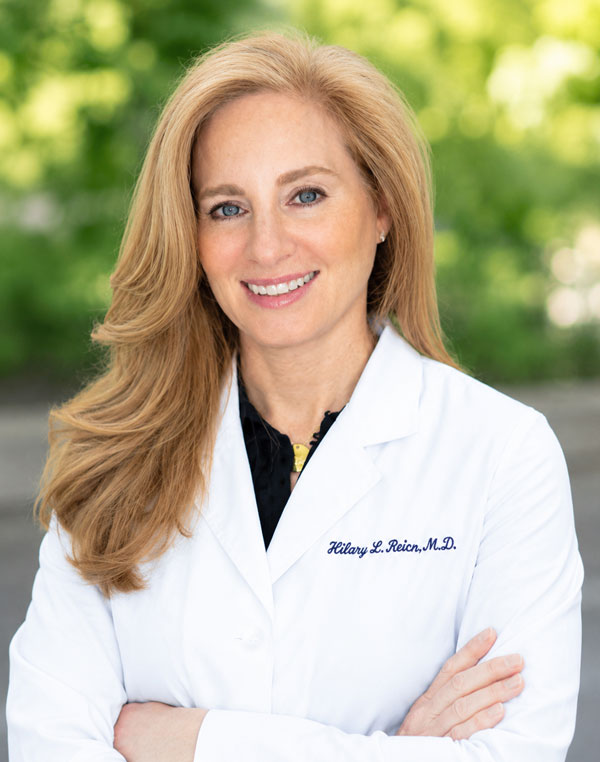
With nearly 25 years of experience, Dr. Hilary Reich is a board-certified dermatologist known for her personalized approach and exceptional clinical expertise. She listens to ger patients attentively and earn the trust and loyalty of generations of patients.
Hilary Reich M.D.
How Rosacea Shows Up
Signs, Subtypes, and Triggers
Common signs include persistent redness on the cheeks, nose, chin, or forehead; flushing that lingers; visible vessels (telangiectasias); and sometimes acne‑like bumps and eye irritation. Rosacea subtypes can include erythematotelangiectatic (redness and vessels), papulopustular (bumps), phymatous (skin thickening, often on the nose), and ocular involvement. Frequent triggers include heat, sun, wind, spicy foods, alcohol, hot beverages, stress, intense exercise, and certain cosmetics or skincare acids. We help you map personal triggers and build strategies to minimize flares without sacrificing the activities you enjoy.
Best Skincare for Rosacea in New York
Rosacea Skincare: Daily Routine
A gentle, hydrating routine is essential. Look for non‑stripping formulas, barrier‑building ingredients, and mineral SPF. Our clinicians tailor rosacea skincare to your skin’s tolerance, then adjust as redness improves.
Makeup and SPF Tips
Choose physical (mineral) sunscreens; they are usually better tolerated and help reduce visible redness. For makeup, green‑tinted primers can neutralize flushing, and fragrance‑free formulations labeled non‑comedogenic are least likely to irritate. Remove makeup with a gentle cream or micellar cleanser. Reapply SPF every 2 hours outdoors.
Treatment Options and Technologies
Depending on your presentation, we may recommend prescription topicals (such as metronidazole cream for rosacea, azelaic acid, ivermectin) and, when needed, short courses of oral therapies (for example, low‑dose doxycycline) to calm inflammatory bumps. For persistent redness, brimonidine or oxymetazoline gels can temporarily reduce flushing. In‑office energy‑based treatments—such as Intense Pulsed Light (IPL) or pulsed‑dye/vascular lasers—target visible vessels and background redness. Most patients need a series for best results, followed by maintenance. We pair procedures with barrier‑supportive skincare to extend benefits.
For small facial vessels and diffuse redness, targeted light and laser devices selectively heat hemoglobin within the vessel, leading to gradual clearance. Sessions typically last 15–30 minutes with minimal downtime; temporary redness or swelling can occur. Strict sun protection is essential before and after. We will review your health history (including medications and photosensitivity), set expectations, and schedule an appropriate series based on your skin type and goals.
FAQ
Let’s Talk About Your Skin’s Needs
We’re here to make your skincare journey simple, stress-free, and tailored just for you.
Haven’t got an answer?
Book An Appointment Online.
Rosacea is a chronic condition, but symptoms can be well controlled. With tailored skincare, trigger management, prescriptions, and vascular treatments, most patients see meaningful reductions in redness and flares.
Topicals may begin to calm redness and bumps within 2–6 weeks; vascular lasers/IPL usually improve broken capillaries over a series of sessions spaced 3–6 weeks apart. We track your progress and fine‑tune the plan.
Some patients tolerate low‑strength, barrier‑friendly retinoids, but many find them irritating during flares. We can guide you on timing, formulation, and frequency—or suggest alternatives like azelaic acid.
Haven’t got an answer?
Book An Appointment Online.
Find Your Perfect Skincare Plan
Take the next step toward calmer skin with treatments for rosacea in New York. Call (212) 725-4555 or book an appointment online with our team at Dr. Dennis Gross Dermatology in New York City. We serve Manhattan, Queens, Brooklyn, Staten Island, Bronx, and the surrounding communities, including New Jersey and Connecticut.
Beyond Rosacea & Facial Redness Care
At Dr. Dennis Gross Dermatology, rosacea is a primary focus, with targeted treatments designed to reduce facial redness, visible blood vessels, flushing, and skin sensitivity. We also treat a broad range of related concerns, including eczema, dry skin, acne, pigmentation issues such as melasma and sunspots, psoriasis, and hair loss. In addition, we address cosmetic concerns like double chin, fine lines, wrinkles, and uneven skin texture. Our approach combines medical dermatology with advanced aesthetic care to help calm irritation and improve overall skin clarity and balance.