
Comprehensive Skin Exams and Diagnosis in New York
Skin Cancer Screenings on Fifth Avenue, NYC
We provide diagnosis and treatment for skin cancer at our New York practice. This is a condition in which abnormal skin cells grow uncontrollably, often due to damage from ultraviolet (UV) radiation from the sun or tanning beds. It typically develops in areas frequently exposed to sunlight, but it can appear anywhere on the body. The most common types include basal cell carcinoma, squamous cell carcinoma, and melanoma, with melanoma being the most serious because it can spread to other parts of the body if not treated early. Detecting skin cancer early—by monitoring changes in moles, spots, or lesions—greatly improves the chances of successful treatment.
A skin cancer screening is a thorough evaluation of your skin to look for suspicious moles, spots, and lesions. During a full body skin exam, we examine the scalp, face, trunk, limbs, hands, feet, and nails. We use clinical evaluation and tools like dermoscopy to see structures beneath the skin’s surface. If we see something concerning, we discuss next steps and whether a biopsy is recommended for a definitive skin cancer diagnosis.

Medical Dermatology Visit
We address a range of concerns including acne, rosacea, infections, hair loss, eczema, and psoriasis.

Cosmetic Visit
We offer natural and results-driven treatments including laser treatments, injectables, hair rejuvenation, and microneedling.

Facial Treatments
Our aesthetician services include customized medical facials, chemical peels, dermaplaning, Hydrafacial, JetPeel, LED, and advanced facial treatments.
Ready to explore skin cancer screeningS in new york city?
Ready to book a skin cancer screening in New York City? Call (212) 725-4555 or book an appointment online with our team at Dr. Dennis Gross Dermatology on Fifth Avenue. We serve Manhattan, Queens, Brooklyn, Staten Island, Bronx, and the surrounding communities, including New Jersey and Connecticut.
Who Should Get a Full Body Skin Exam?
We recommend routine skin cancer screening for adults, especially if you: have a personal or family history of skin cancer or melanoma; have many or atypical moles; have fair skin, light eyes, or red/blond hair; have a history of blistering sunburns or indoor tanning; take medications that suppress the immune system; work or play outdoors frequently. We individualize how often you should be seen—typically yearly, or more often if you’re at higher risk.
Dr. Dennis Gross
Decades of Distinction
Behind every treatment is decades of research, training, and expertise. We are dedicated to helping our patients look and feel their best.

25+ years as a board-certified dermatologist and dermatologic surgeon, founder of his 5th Avenue Manhattan practice. A New York Magazine Best Doctor and a trusted voice on national TV, from The Today Show to CNN. He’s also the author of Your Future Face: The Customized Plan to Look Younger at Any Age. 25+ years as a board-certified dermatologist and dermatologic surgeon.
World-Renowned Dermatologist
Founded his award-winning skincare brand in 2000, now carried by Sephora, Nordstrom, and MECCA Beauty. He continues to serve as the brand’s Chief Science Officer.
Founder of Dr. Dennis Gross Skincare™
Before opening his practice, Dr. Gross conducted extensive melanoma research at Memorial Sloan Kettering Cancer Center, studying how the immune system recognizes cancer cells. His findings were published in peer-reviewed journals including the Journal of Experimental Medicine and the Journal of Medical Microbiology.
Skin Cancer Research
A native New Yorker, Dr. Gross has spent his career and personal life rooted in the city he serves. He sits on the Board of Animal Care Centers of NY, championing animal welfare initiatives across the five boroughs, and shares a busy family life in Manhattan with his wife and business partner, Carrie, and their four children.
Beyond the Practice



Our Experts
Your Trusted Experts in Professional Dermatology
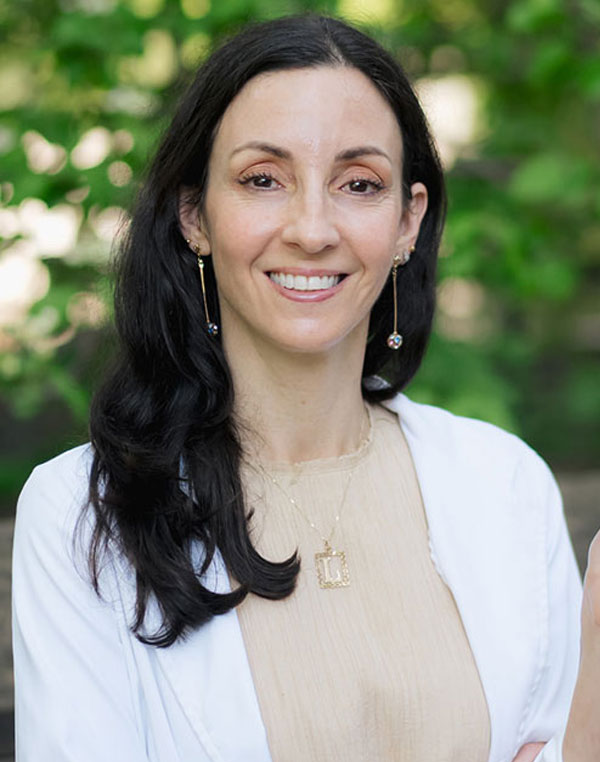
Lara manages Dennis Gross Dermatology’s practice, focusing on creating a warm, welcoming environment and delivering excellent patient experiences and results.
Lara Battema, LE, MPH
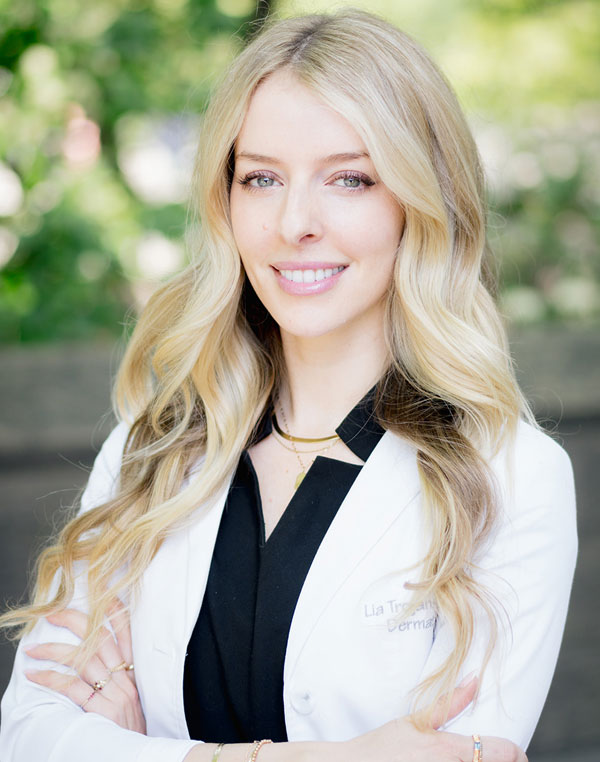
Lia has developed a strong focus in aesthetic dermatology, where she values the balance of precision, artistry, and science. Her approach is thoughtful and individualized, with a focus on subtle, natural-looking results that enhance each patient’s features.
Lia Trojansky, PA-C
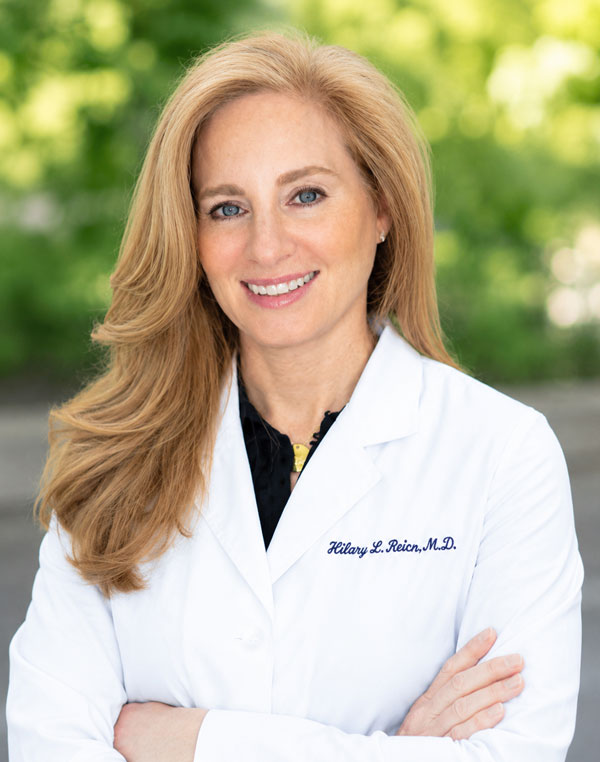
With nearly 25 years of experience, Dr. Hilary Reich is a board-certified dermatologist known for her personalized approach and exceptional clinical expertise. She listens to ger patients attentively and earn the trust and loyalty of generations of patients.
Hilary Reich M.D.
Types of Skin Cancer We Diagnose and Treat
Basal Cell Carcinoma (BCC)
Basal cell carcinoma is the most common skin cancer. It often appears as a shiny bump, a pink growth, or a sore that bleeds and doesn’t heal. BCC tends to grow locally. Early detection allows for simpler treatment and helps limit scarring.
Squamous Cell Carcinoma (SCC)
Squamous cell carcinoma can look like a rough, scaly patch or a firm, tender bump that may crust or bleed. SCC can develop from long-term sun exposure or from precancers such as actinic keratoses. Identifying SCC early allows for effective, tissue-sparing treatment.
Melanoma
Melanoma can develop within a new spot or an existing mole that changes. Watch the ABCDEs: Asymmetry, Border irregularity, Color variation, Diameter larger than a pencil eraser, and Evolving. Any rapidly changing or symptomatic lesion should be evaluated. Prompt biopsy and accurate staging guide the best course of care.
Precancers: Actinic Keratoses
Actinic keratoses are rough, sandpapery patches caused by cumulative sun damage. They are considered precancerous because a small percentage can progress to squamous cell carcinoma. We offer treatments such as cryotherapy, topical field therapies, and light-based options to help clear sun-damaged skin.
Skin Cancer Diagnosis and Treatment at Our Practice
How We Diagnose
Our evaluation starts with a detailed history, review of your concerns, and a head-to-toe exam. We use dermoscopy to improve accuracy. When a lesion warrants testing, we perform a skin biopsy—removing a small sample under local anesthesia—for pathology review. This confirms whether a spot is benign, a precancer, or skin cancer.
Treatment Options
Your plan depends on the diagnosis, size, location, and your medical history. Options for skin cancer treatment may include: surgical excision; electrodesiccation and curettage for select superficial tumors; topical or light-based therapies for actinic keratoses and certain early lesions. When Mohs micrographic surgery offers the highest tissue preservation (for example, on the face), we coordinate care with trusted Mohs surgeons and remain involved in your follow-up.
What to Expect During Your Visit
Your First Appointment
Please arrive with a list of medications and past skin treatments. Come without makeup or nail polish if possible, and wear clothing that is easy to remove for a full body skin exam. We provide draping and prioritize your comfort and privacy throughout.
Follow-Up and Prevention
We partner with you on long-term skin health. Between visits, perform monthly self-checks, use broad-spectrum SPF 30+ daily, seek shade, wear protective clothing, and avoid tanning beds. If you notice a changing mole or non-healing spot, schedule a visit for skin cancer screening on Fifth Avenue, New York City.
Ready to explore skin cancer screeningS in new york city?
Have a new or changing spot? For a prompt, thorough skin cancer evaluation in New York, call us at (212) 725-4555 or book an appointment online with our team.
FAQ
Let’s Talk About Your Skin’s Needs
We’re here to make your skincare journey simple, stress-free, and tailored just for you.
Haven’t got an answer?
Book An Appointment Online.
Most adults benefit from an annual full body skin exam. Higher-risk patients—such as those with a history of melanoma, numerous atypical moles, or significant sun damage—may need more frequent visits as advised by our team.
No. A biopsy is the most reliable way to reach a skin cancer diagnosis. Many biopsied lesions are benign. If cancer is found, we review results and treatment options with you in detail.
New or changing moles, a sore that bleeds or doesn’t heal, a scaly or crusted patch, or a lesion that itches or hurts merit evaluation—especially if you live with significant sun exposure in NYC or travel to sunny destinations.
Any procedure on the skin can leave a mark, but early detection often allows for smaller treatments and more favorable cosmetic outcomes. We focus on precise techniques and thoughtful aftercare to support healing.
Haven’t got an answer?
Book An Appointment Online.
Find Your Perfect Skincare Plan
Prioritize your skin health. To get diagnosis and treatment of skin cancer in New York City, call (212) 725-4555 or book an appointment online with our team at Dr. Dennis Gross Dermatology.
Comprehensive Medical and Cosmetic Dermatology
Other Skin Conditions We Treat
Beyond skin cancer care, Dr. Dennis Gross Dermatology treats acne, psoriasis, rosacea, and eczema; evaluates and manages common skin growths such as moles, warts, and cysts; and addresses cosmetic concerns including wrinkles, birthmarks, skin tags, and scars. We provide personalized medical and aesthetic dermatology solutions to support healthy, confident skin.